September 29, 2026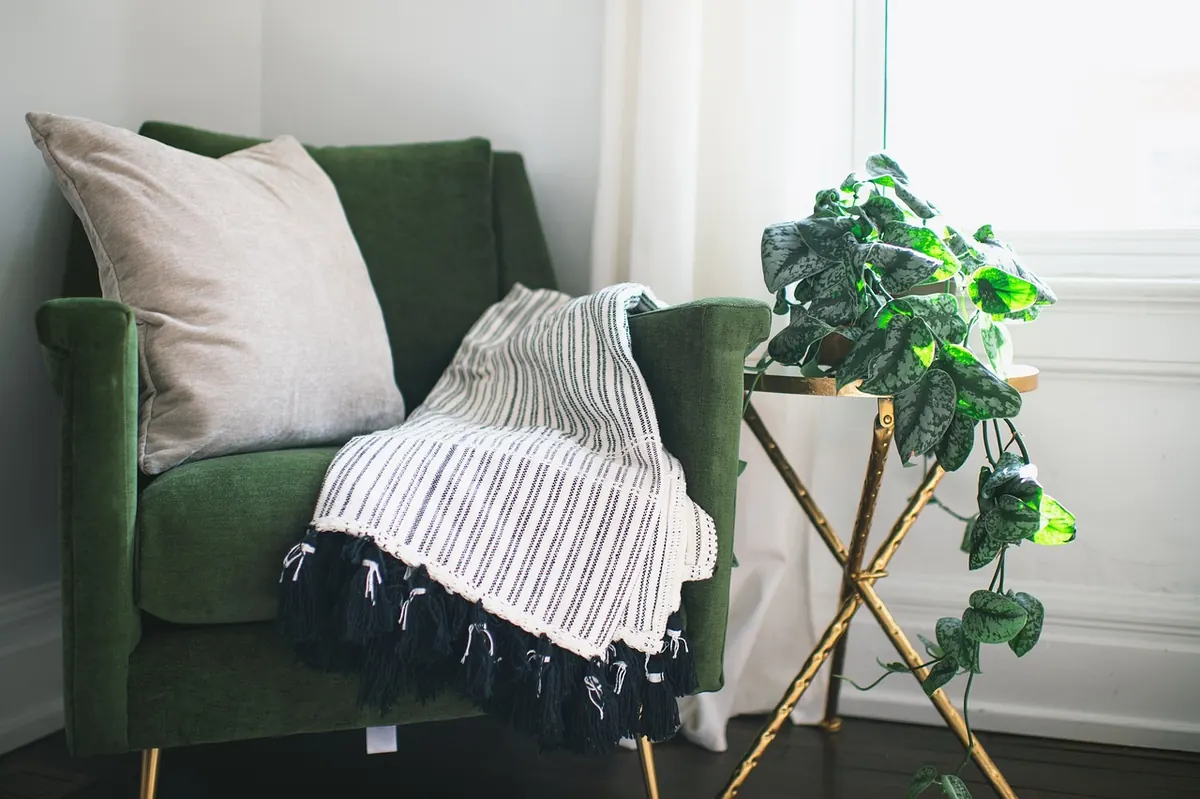
There is a particular evening in late September when the living room starts to feel like the wrong room. The light comes in low and grey, the lamp goes on at half four, and you notice the draught under the bay window you cheerfully ignored all summer. Autumn styling is rarely about replacing everything. It is about layering: on the floor, over the arms of the sofa, at the window, and in the pools of light the room sits in after dark. Wool, velvet and linen do most of the work. Get those three right and even a modest sitting room becomes somewhere people linger.
Start with the light, not the cushions
Texture is hard to read in bad light. Before you buy a single throw, change the bulbs: warm white, around 2700K, and fit a dimmer if the ceiling fitting will take one. Then switch the big light off and see what the room actually needs.
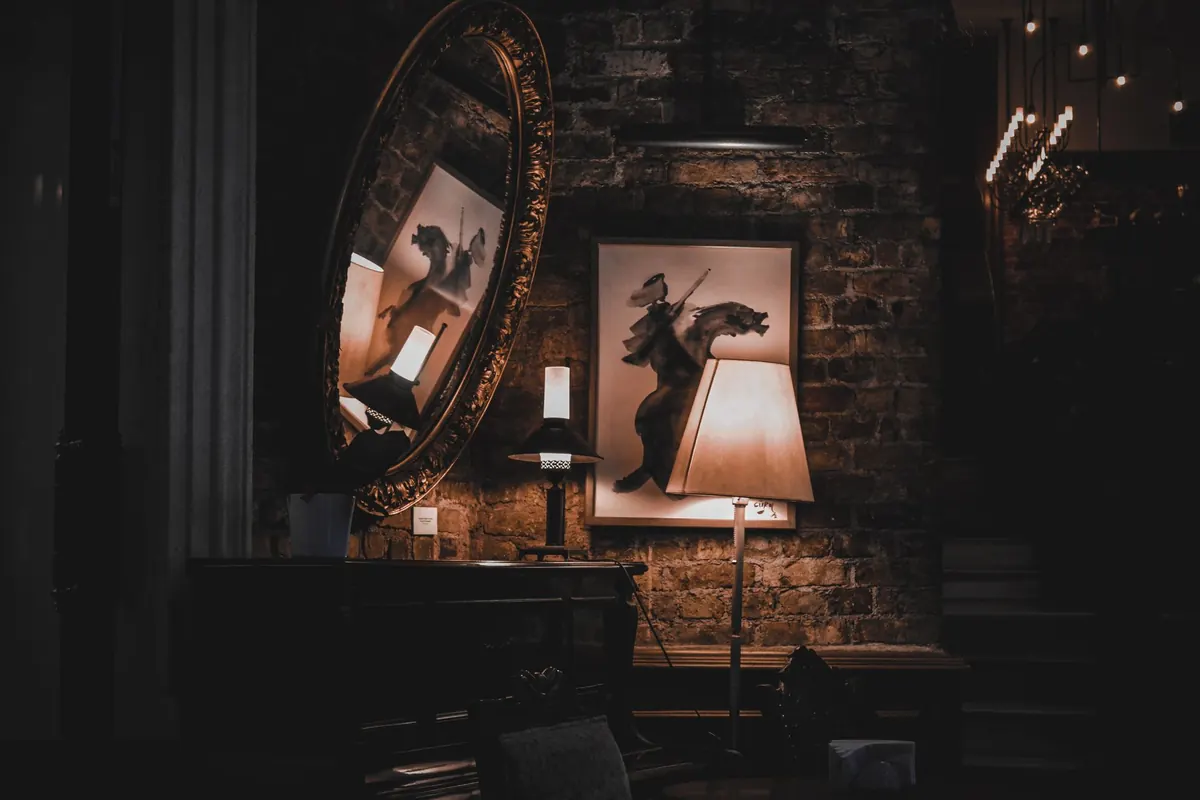
Most UK living rooms want three small pools of light rather than one bright one: a floor lamp behind an armchair, a table lamp on the sideboard, and something lower beside the sofa at reading height. Candles count as a fourth, though keep them well away from curtains and never leave them burning unattended. Warm, low light makes wool look softer and velvet look deeper.
Wool is the backbone of an autumn room
Wool does something synthetics never quite manage: it holds its shape, breathes, and looks better as it ages. A chunky wool throw over the back of a sofa, a pair of felted cushion covers, a sheepskin over the arm of a chair, a wool rug on bare boards. You do not need all of them. Two or three will change the temperature of the room noticeably.
Look for a throw heavy enough to stay put, because lightweight blankets slide off the back of a sofa and end up in a heap on the floor. Fold it in thirds lengthways and drape it over one arm rather than spreading it across the whole sofa. Cushion covers at 45cm to 55cm work better than small ones in autumn. If a wool rug sits on bare floorboards, a thin anti-slip underlay stops it creeping across the room every time somebody walks over it.
Velvet, used sparingly
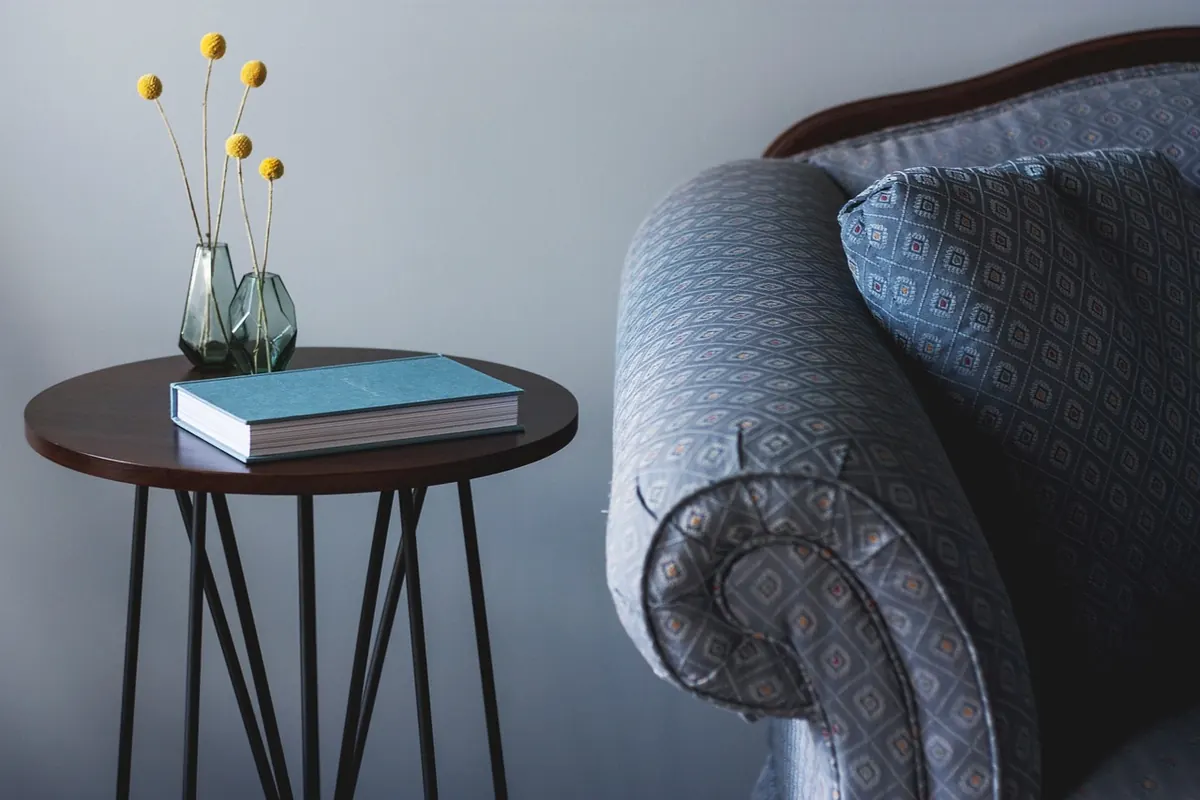
Velvet is the texture that makes autumn feel like autumn. It absorbs light rather than reflecting it, so a rust or olive velvet cushion reads almost black in the shadows and glows the moment the lamp goes on. That movement is what you are paying for.
Keep it to accents: a pair of velvet cushions, a footstool, the seat of a wooden chair, one armchair if you have space, or velvet curtains in a room that struggles to stay warm. A full velvet suite in a small room tends to swallow everything else. If you already own a velvet sofa, keep every other texture matte — linen curtains, wool throws, a plain jute or wool rug.
Linen keeps the whole thing breathing
Linen is the counterweight. Its slubby, matte surface stops a room full of wool and velvet from feeling like a hotel lobby in December. Use it at the window, on a table runner, as cushion backs, or on a large floor cushion by the fire. Unbleached and oatmeal linens sit happily beside warmer earth tones. Crisp white can look a little cool once the heating goes on, so shift towards stone and ecru for the winter months.
Earth tones, and how to combine them
The palette that works in a British autumn comes from the landscape outside the window: rust, terracotta, ochre, olive, mushroom, clay and a deep brown that leans towards tobacco rather than orange. The mistake is using all of them at once.
Texture is what makes a colour feel warm. Colour alone rarely does.
Pick three and give them jobs:
- Base — oatmeal, mushroom or warm grey. This covers the largest areas: rug, sofa, curtains.
- Mid tone — olive, clay or a soft brown. Throws, cushions, a painted side table.
- Accent — rust, ochre or a deep berry. One or two pieces only: a cushion, a lamp base, a framed print.
Repeat each colour at least twice in the room, at different scales. That repetition is what makes a scheme look intentional rather than accidental. If you are painting, one wall in a muddy green or warm clay behind the sofa will do more for the space than any amount of shopping.
Layering the room, step by step
If you would rather have a method than a mood board, work in this order:
- Strip it back. Put the pale summer throws and thin cottons away in a cotton bag and clear one surface completely. You need to see the room before you add to it.
- Floor first. Rugs, a runner along the side of a sofa, a sheepskin. Texture underfoot changes how a room feels more than anything at eye level.
- Then the seating. One throw, three cushions in odd numbers, alternating a smooth fabric with a rough one. Wool next to linen beats wool next to wool.
- Then the small moments. A candle in a stoneware holder, a wooden bowl, a stack of books with a wool coaster. Keep at least one surface bare.
- Live in it for a week. Anything that ends up on the floor or gets moved every evening is in the wrong place. Swap it rather than storing it in a corner to gather dust.
A room that improves as the nights draw in
Autumn layering is not a one-off job. Add a layer in October when the first cold snap arrives, and another in November once the radiators are on properly. Keep throws within reach of the sofa rather than folded in a cupboard, and keep a basket by the fire for the ones nobody is using.
Be honest about what the room actually needs, too. If it is draughty, heavy curtains and a wool rug will do more for how it feels than any decorative arrangement. If it is small, two textures used well will beat six used badly. The aim is simple: a room you can walk into at six o'clock on a dark evening, switch on one lamp, and immediately want to stay in.
Photo: Space_Zandria / Pixabay